
The Essentials for any Mural Artist
Over the years, I’ve built up a collection of tools that help me work efficiently, precisely, and comfortably whilst ensuring the highest quality for my clients. From brushes to projectors, each tool serves a specific purpose in the mural process, and I wouldn’t be able to do what I do without them.
These genuinely are tools I love and use. Sadly, I’m not affiliated with any of these brands, but I’m always up for sponsor conversations!
1. Working Platform
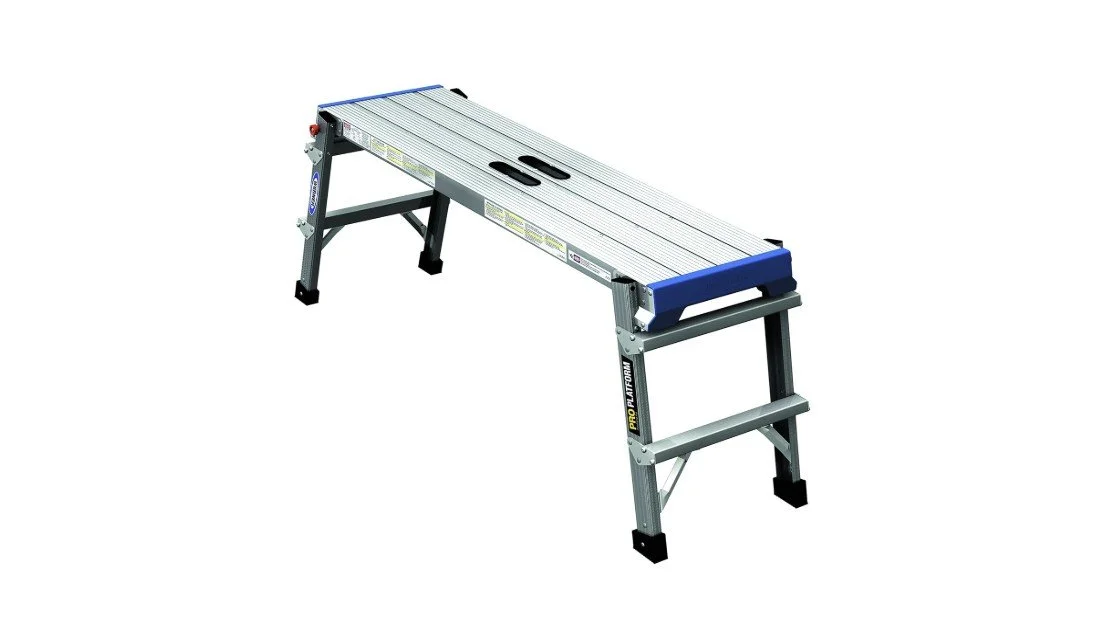
When you need that little extra height to ensure you’re not constantly overstretching, this Werner Compact PRO platform comes into play. It's stable, lightweight, has built-in handles, and gives me the perfect vantage point to work comfortably and accurately. It’s just over 1m wide, 50cm high, and it collapses down flat for easy storage too!
Why it’s essential: It helps me maintain a steady hand while working on higher sections of the mural, ensuring clean, precise lines and smooth coverage.
2. Stanley Toolbox
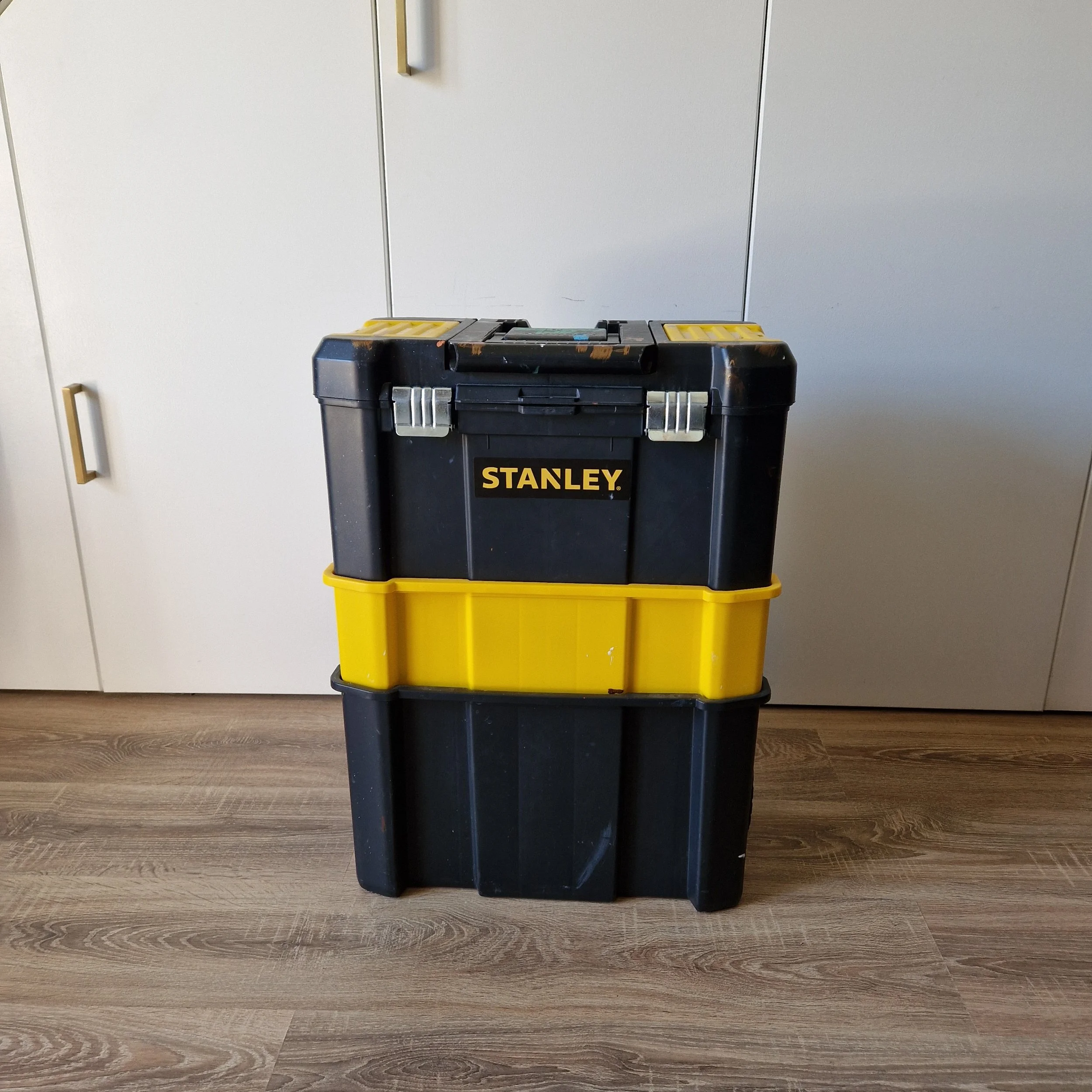
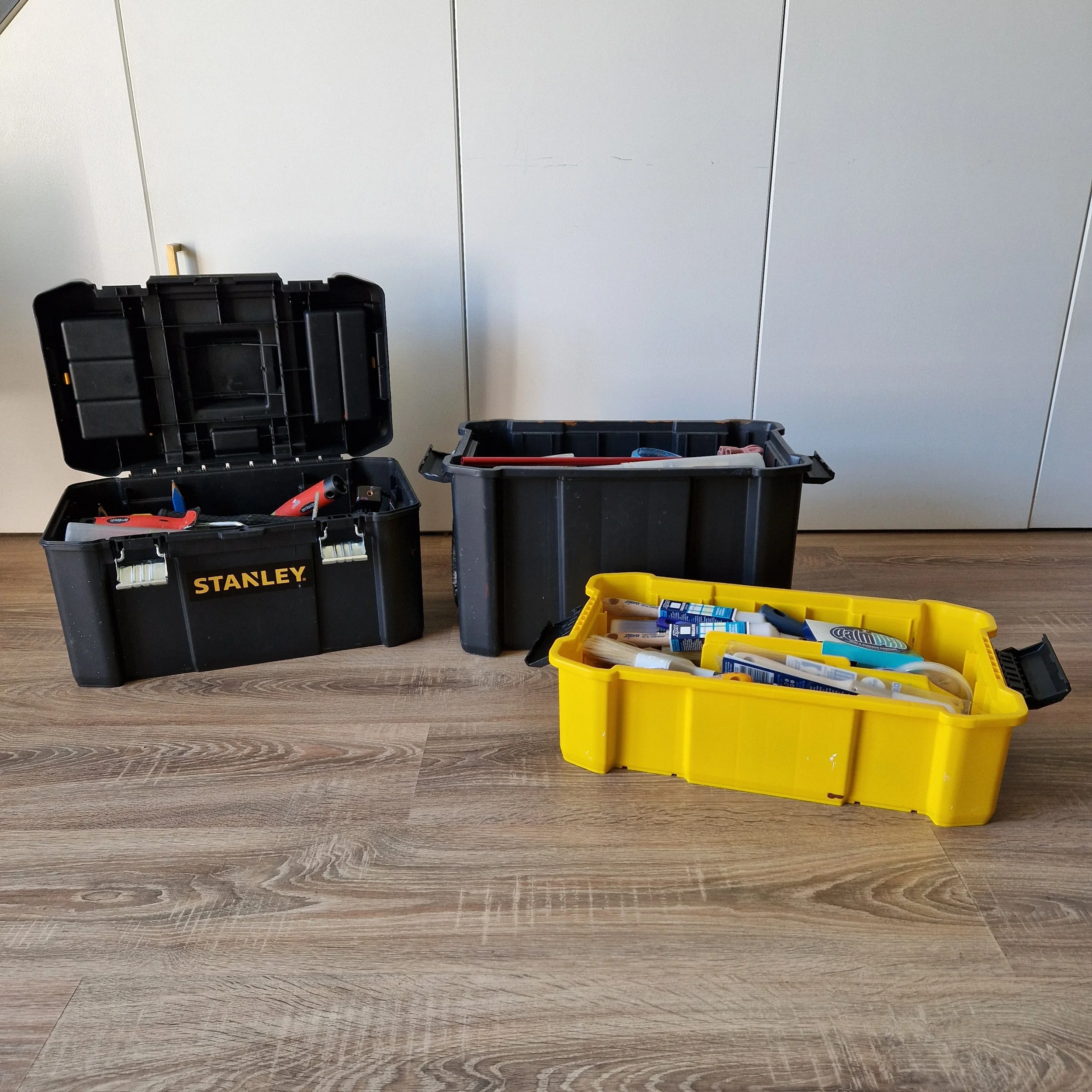
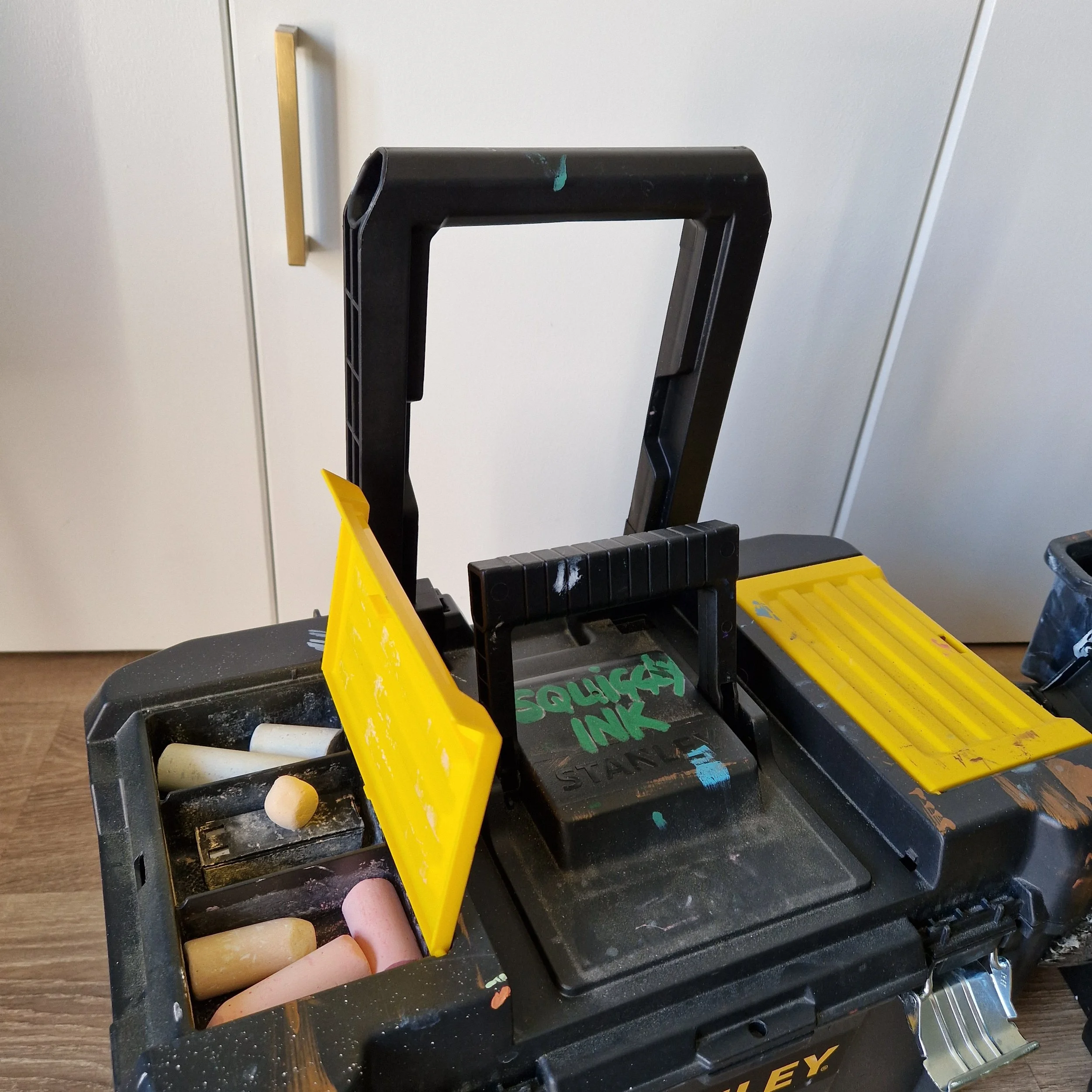
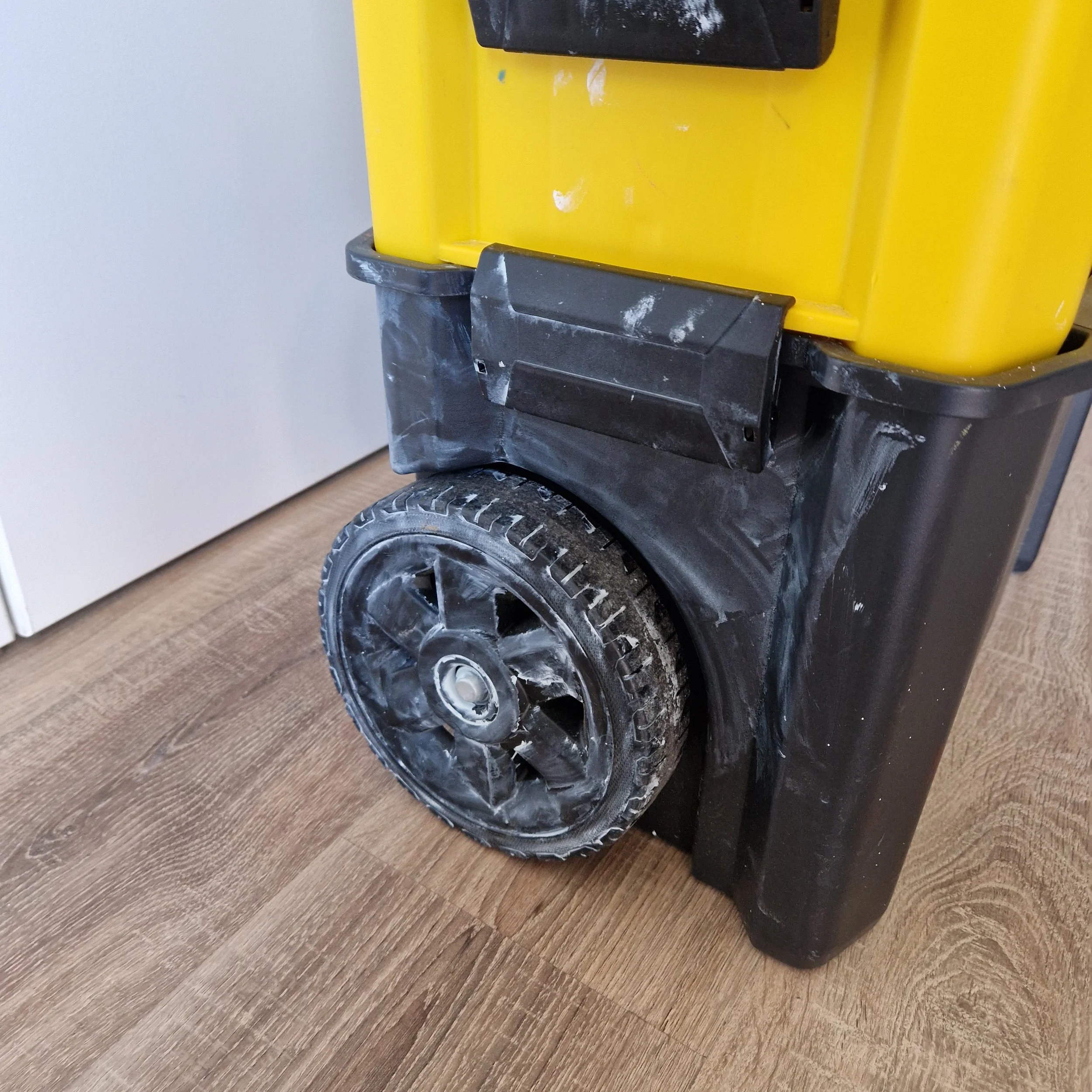
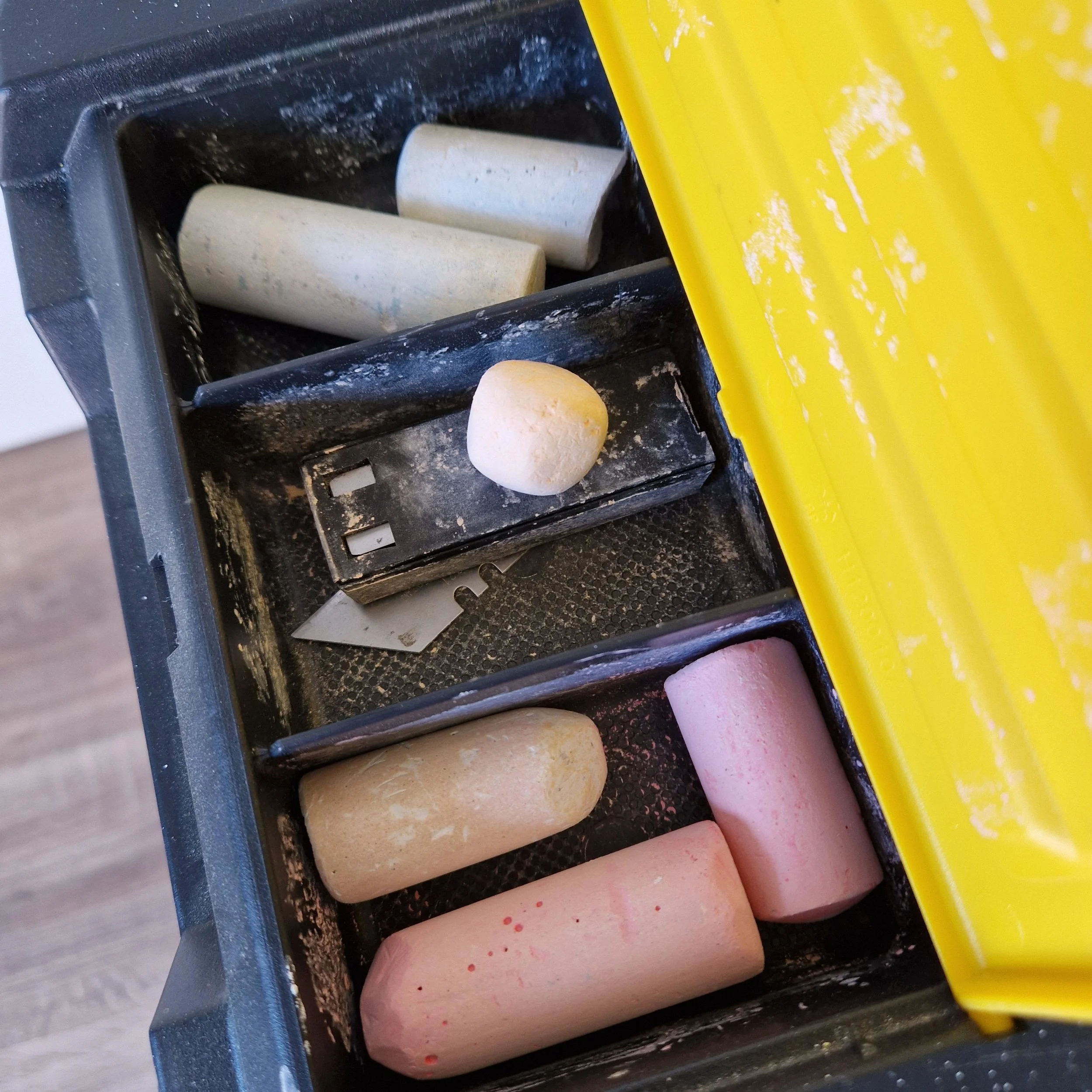
When you start to build up your kit, you’ll quickly find that a Tesco Bag for Life doesn’t quite cut it anymore! So, I got one of these Stanley toolboxes on wheels! This portable toolbox has separate compartments, allowing me to keep my brushes, rollers, and smaller tools organised and easy to access. This is super helpful when the mural I’m painting is not close to where I have to park the car, and saves lots of trips back and forth! It has two deep compartments, one middle slim tray with divider (perfect for brushes) one small handle, one longer handle, wheels, and plenty of storage!
Why it’s essential: I get to take all my equipment with me, in one easy-to-move box! What more do you need?
3. Zibra Paint Brushes & Fine Art Brushes
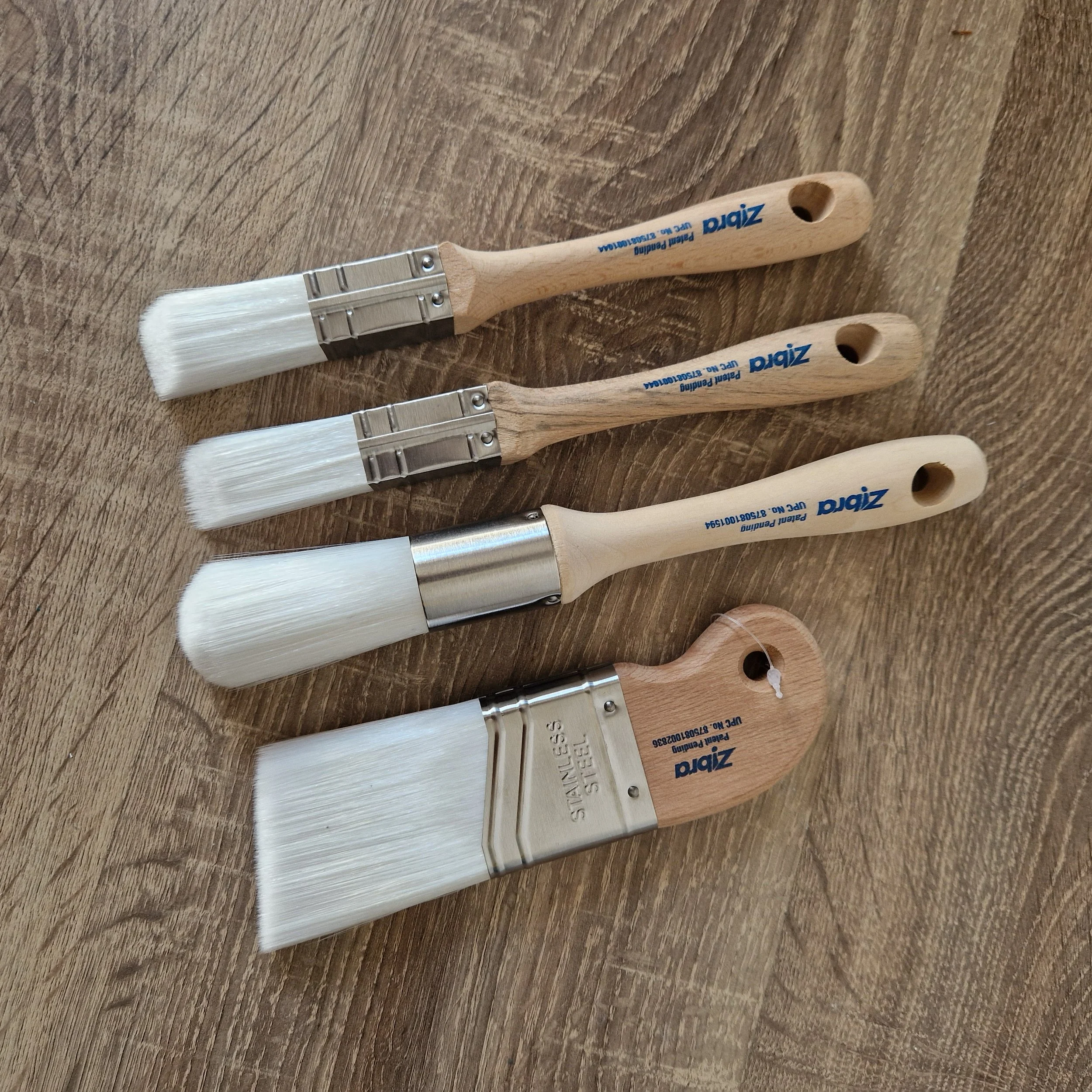
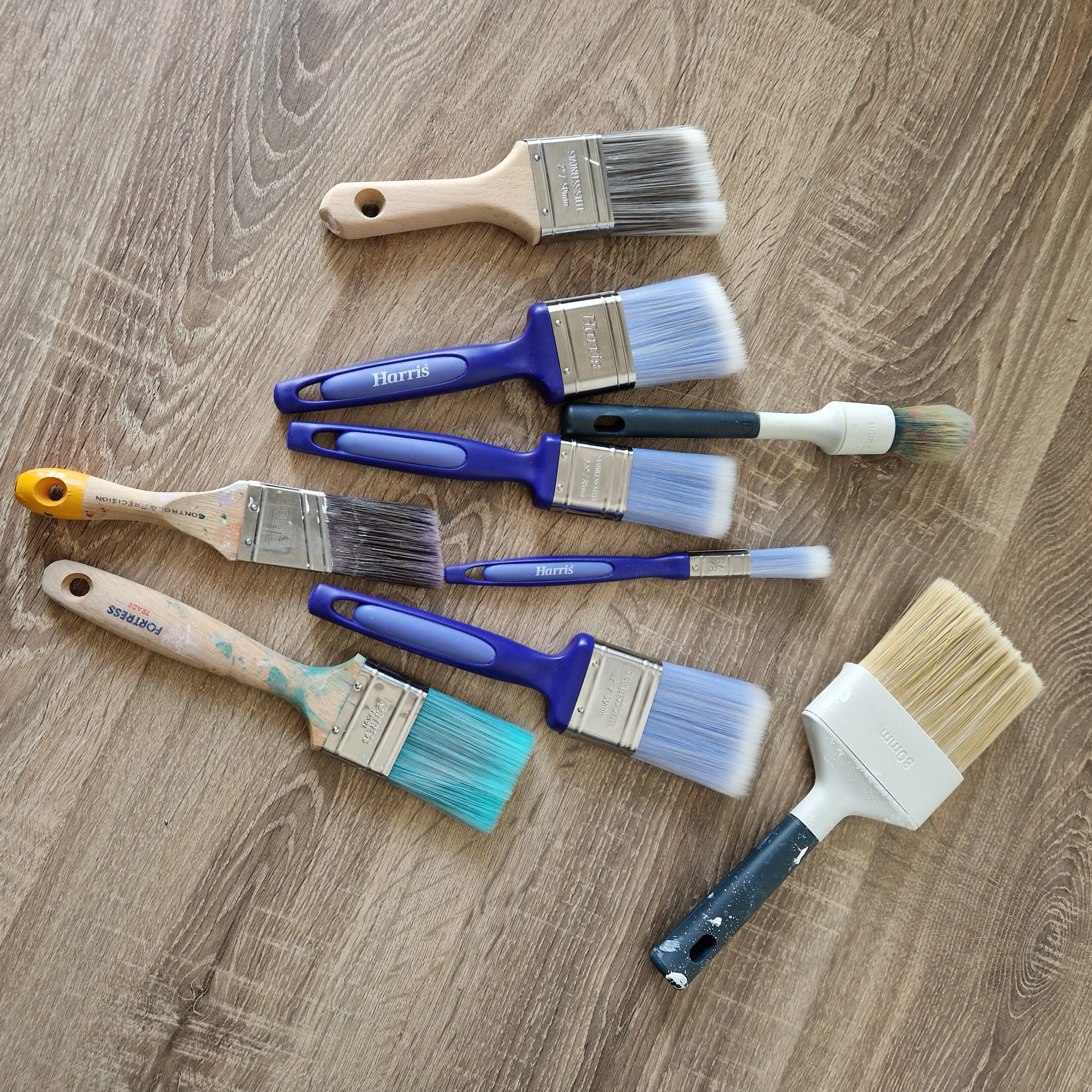
I’m a huge fan of Zibra paint brushes, which are perfect for achieving smooth and even coverage on large areas of the mural. Their ergonomic design makes them comfortable to use for long periods, and their bristles hold paint beautifully. I also like Harris paint brushes, and these are far more accessible here in the UK.
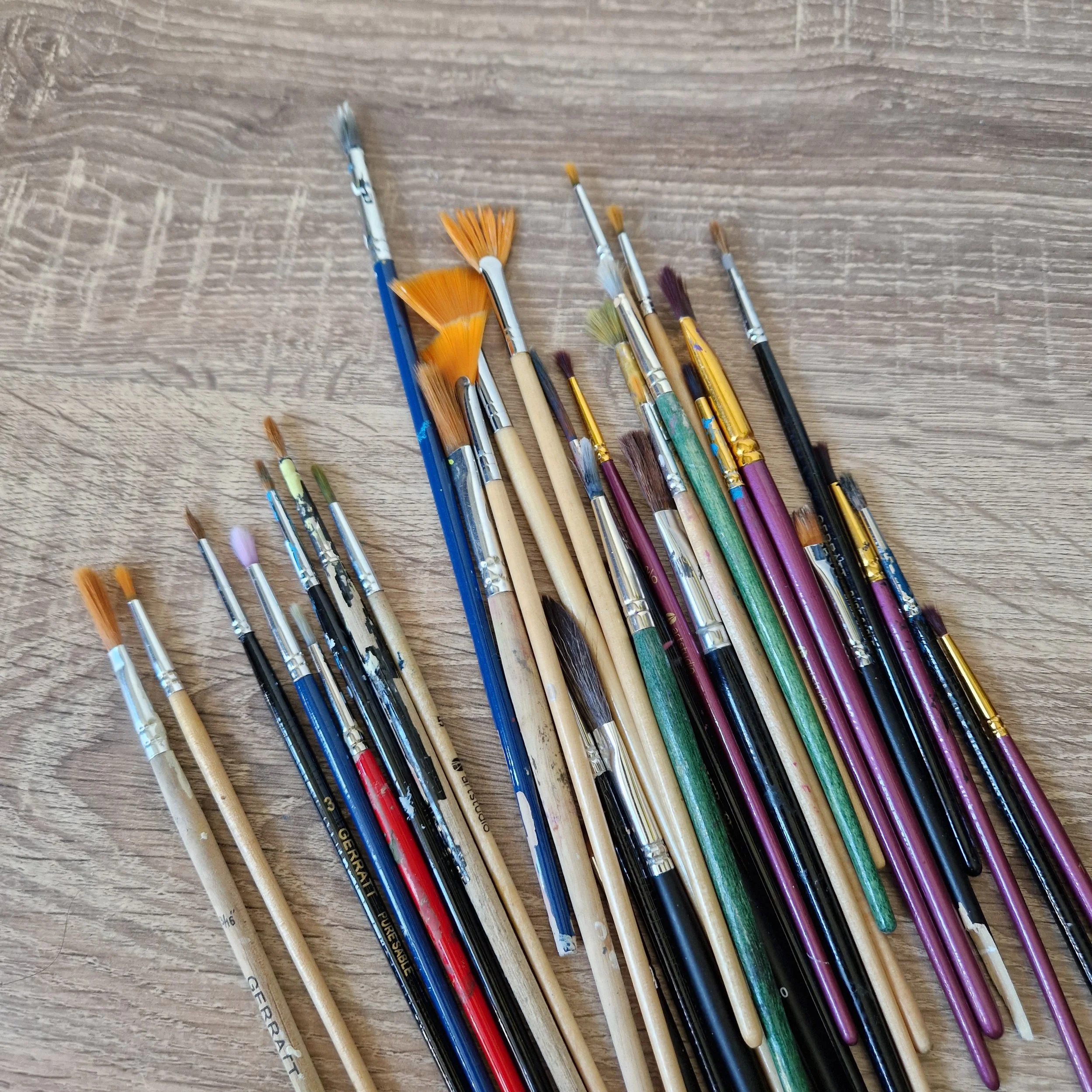
For more detailed sections, I switch to smaller fine art brushes. These allow me to add the finer details that elevate the mural’s overall quality.
Why they’re essential: Zibra and Harris brushes are reliable for base work, while fine art brushes give me the precision needed to create detailed, personalised designs.
4. Dulux Paint
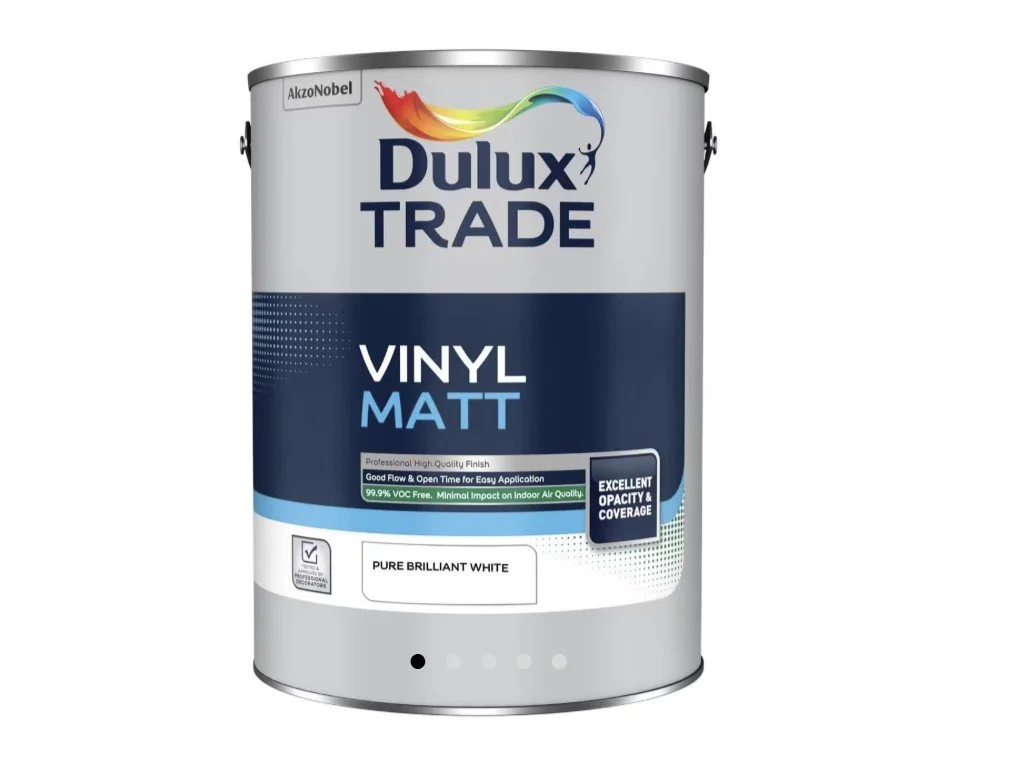
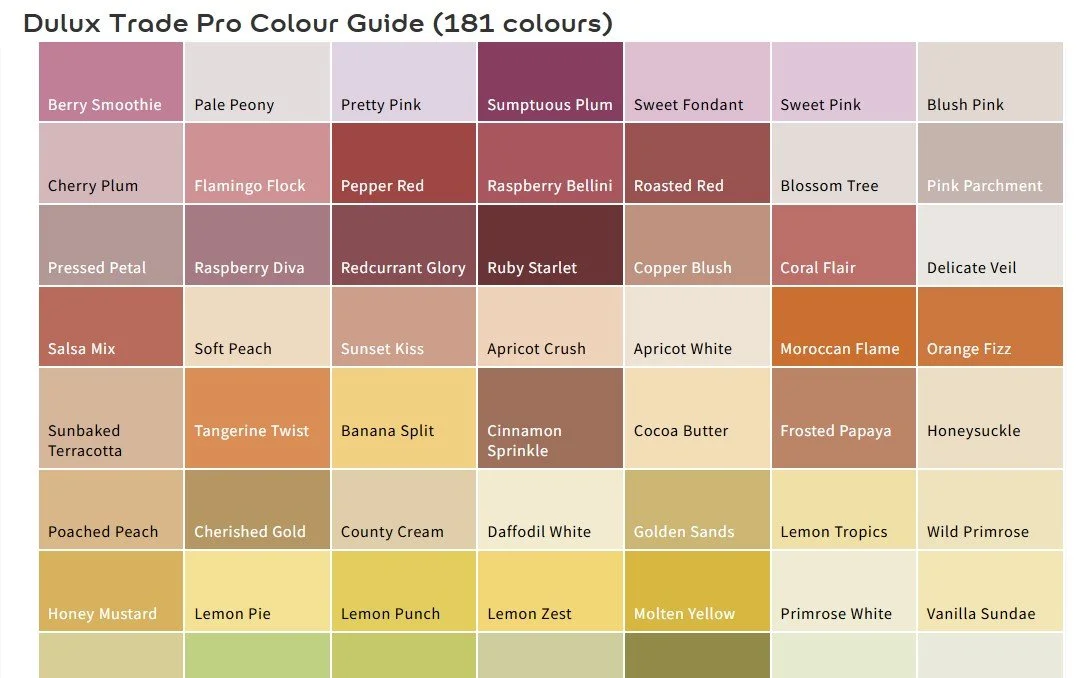
When it comes to choosing paint, Dulux Trade is my preferred brand. They have a huge variety of paint finishes for interior and exterior murals. They can be mixed to pretty much any colour you need. Great quality, strong opacity, long-lasting, and durable, which is especially important when creating murals that will be exposed to wear and tear over time. I have tried other brands, but I always go back to these guys, and I like to explain to clients that they are paying more for professional, quality materials.
Depending on the finish you need, they sell 1L, 2.5L, 5L, 10L, and even 12L tins. Check your local Dulux Decorator Centre or paint supplier for specifics.
Why it’s essential: Dulux paint provides vibrant, high-quality coverage that ensures my murals look stunning and stand the test of time.
5. Dust Sheets for Floor Protection
Protecting the surrounding area is ESSENTIAL when painting a mural, and laminated dust sheets are my go-to for covering the floor and preventing paint splatters. Whether I’m working indoors or outdoors, these large sheets provide a simple yet effective way to protect the space, ensuring no mess is left behind. They have a plastic coating on the reverse, so if you do happen to spill any liquid, it doesn’t seep through to the floor below.
Why it’s essential: Dust sheets or drop cloths are an easy and effective way to maintain a clean work environment, allowing me to focus solely on creating the artwork without worrying about accidents.
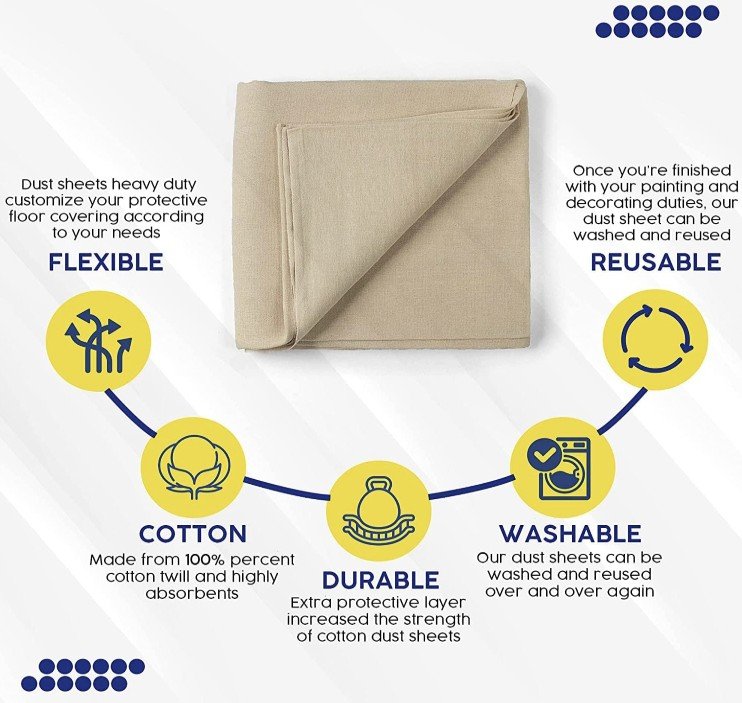
Laminated pack of 4 drop cloths from Amazon
6. Projector for Design Transfer
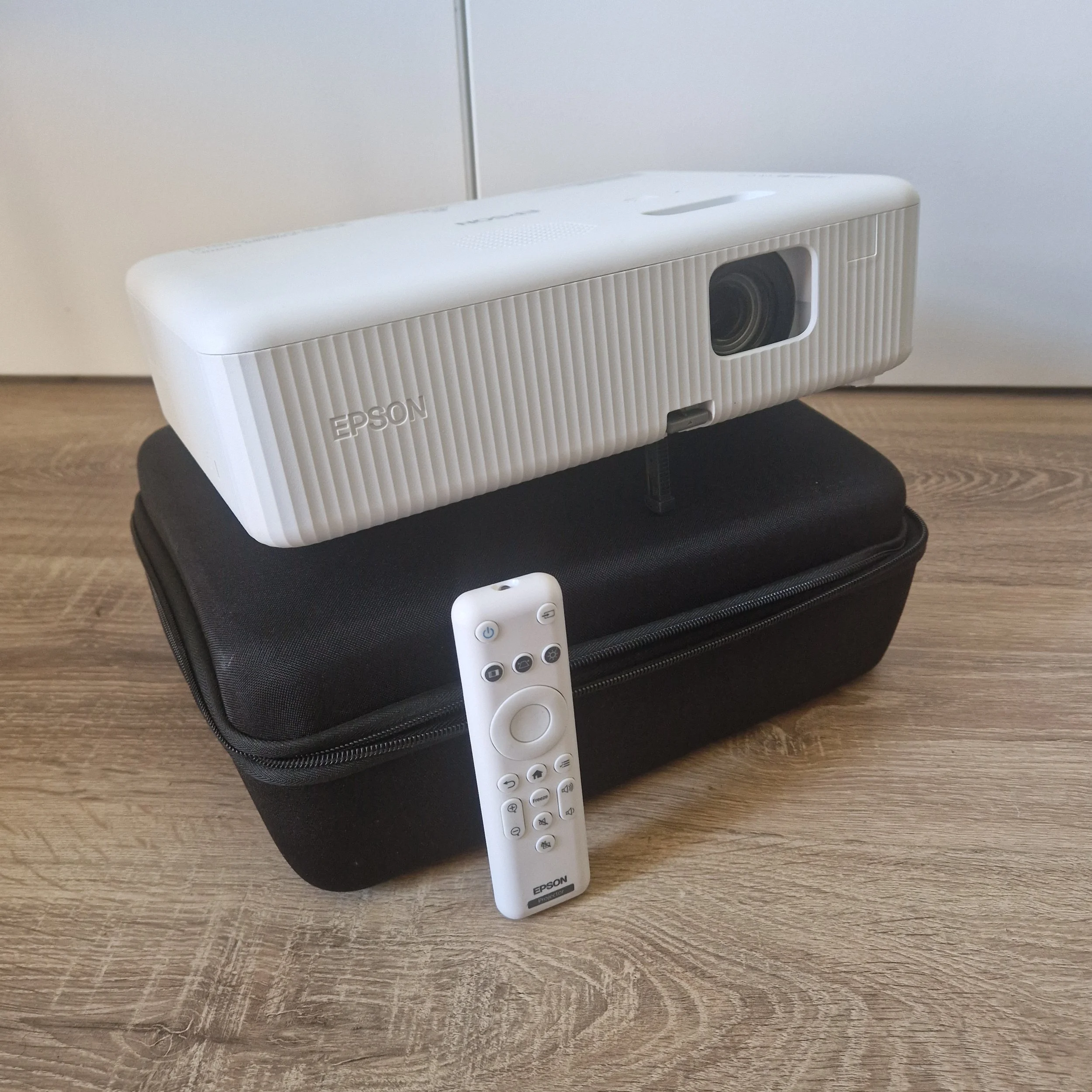
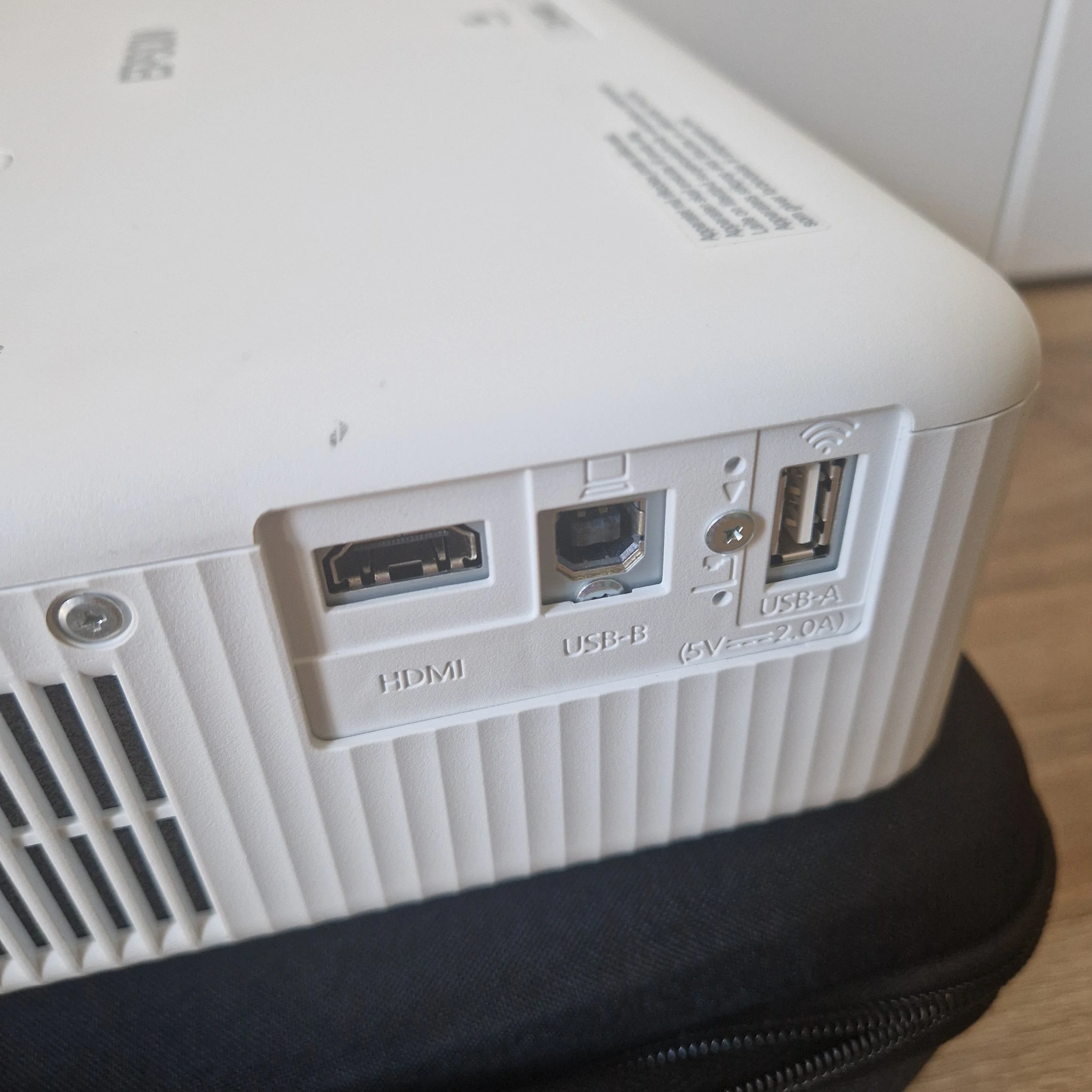
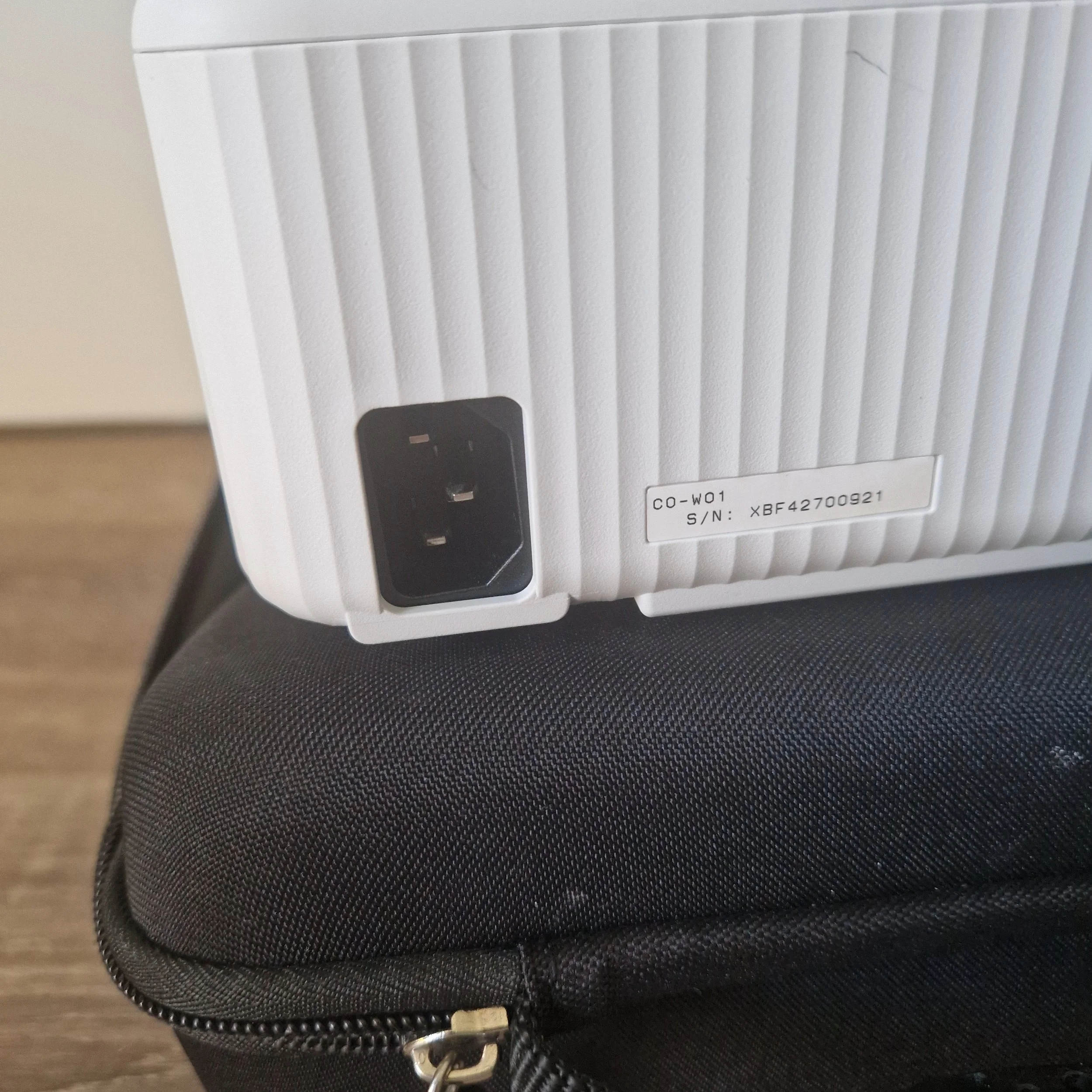
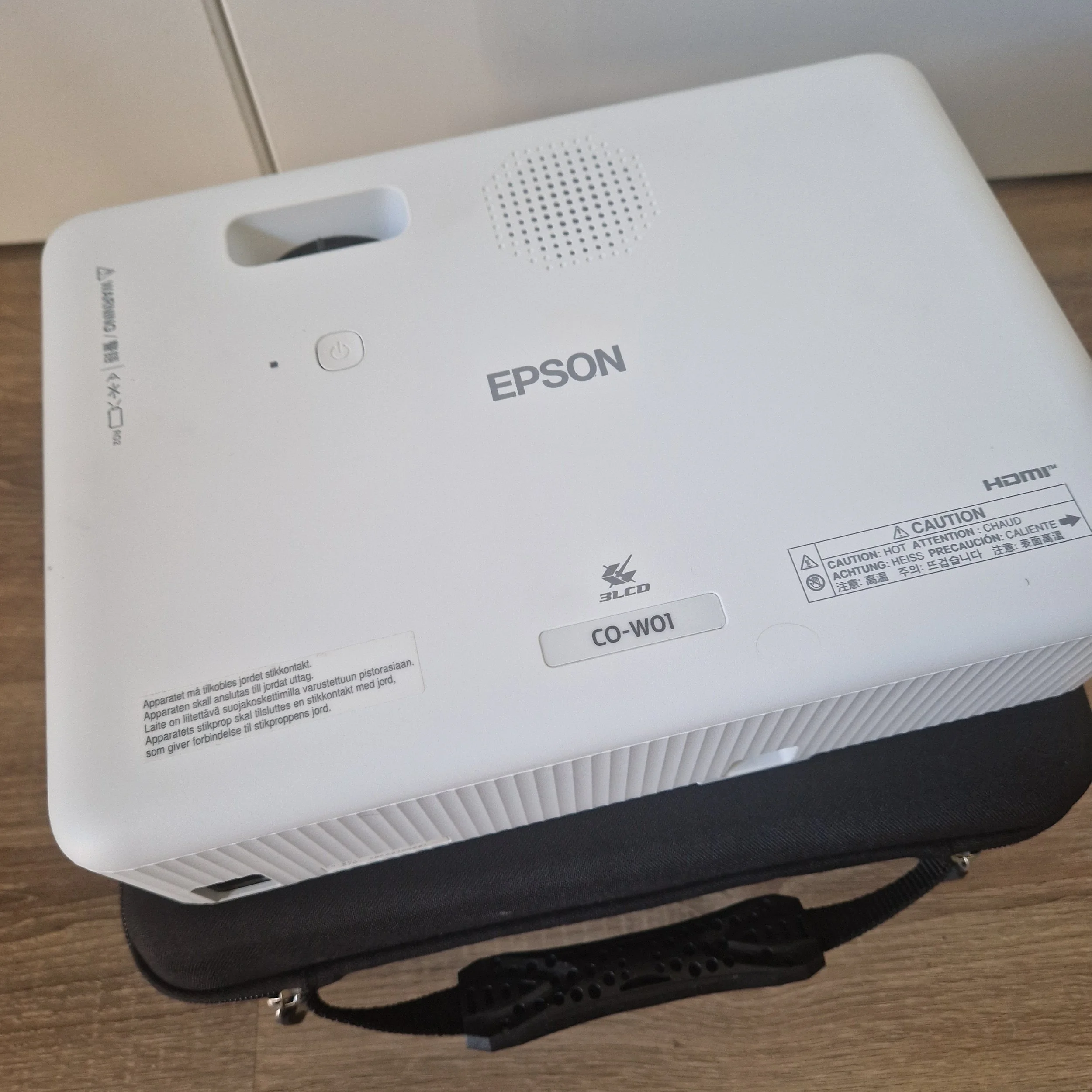
One of the tools I like to have at hand to ensure my designs are accurately transferred onto the wall is an Epson projector. This tool helps me project the digital version of the mural design onto the wall, allowing me to trace and scale the artwork with precision. It’s especially helpful for large murals, where accuracy is crucial for proportion and placement. This particular version is the Epson CO-W01 Data Projector 3000 ANSI lumens 3LCD WXGA. An ultra short-throw, 3000 lumen, has a 1200 x 800 display resolution and has USB and HDMI connections for plugging into your laptop. I purchased the hard travel case separately from Amazon.
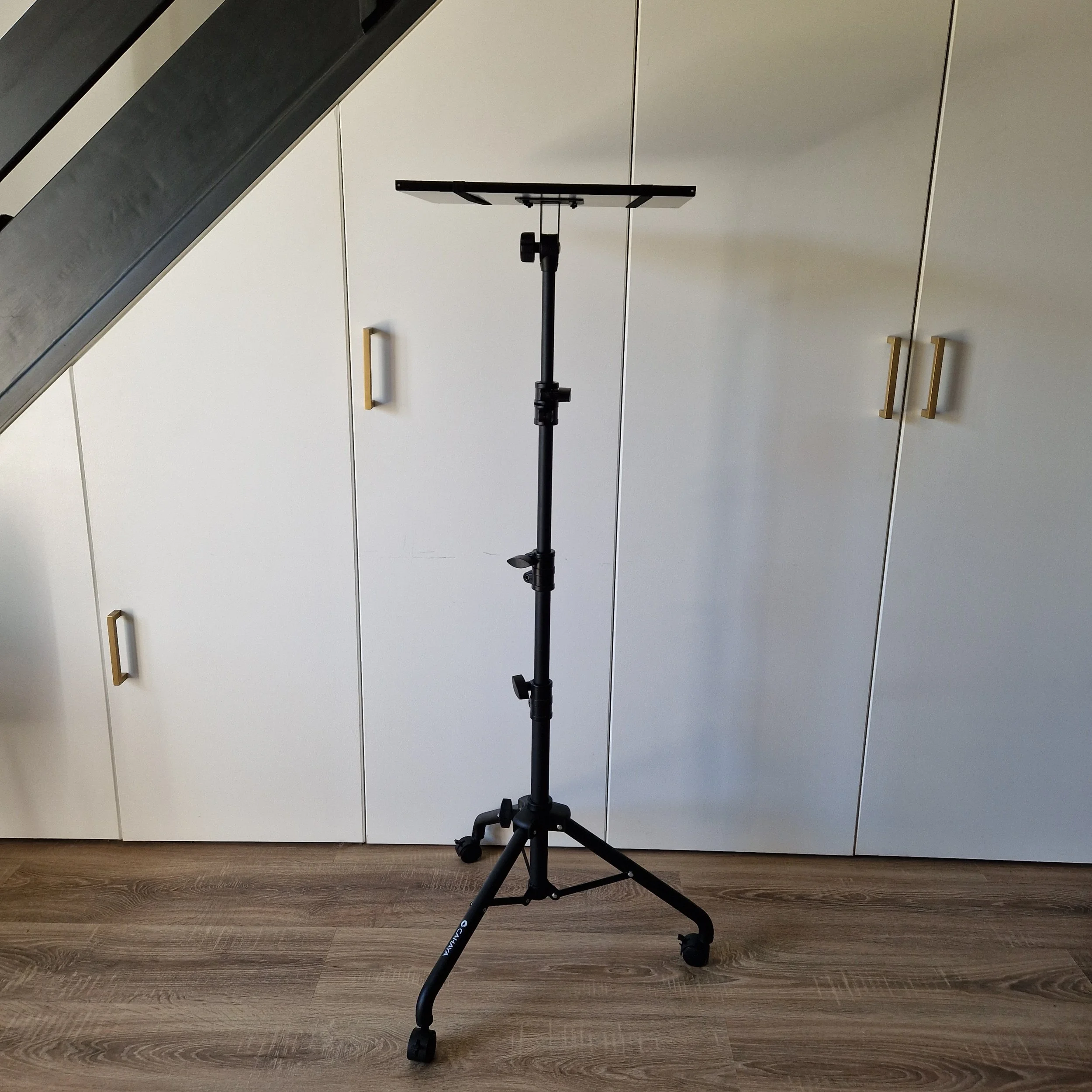
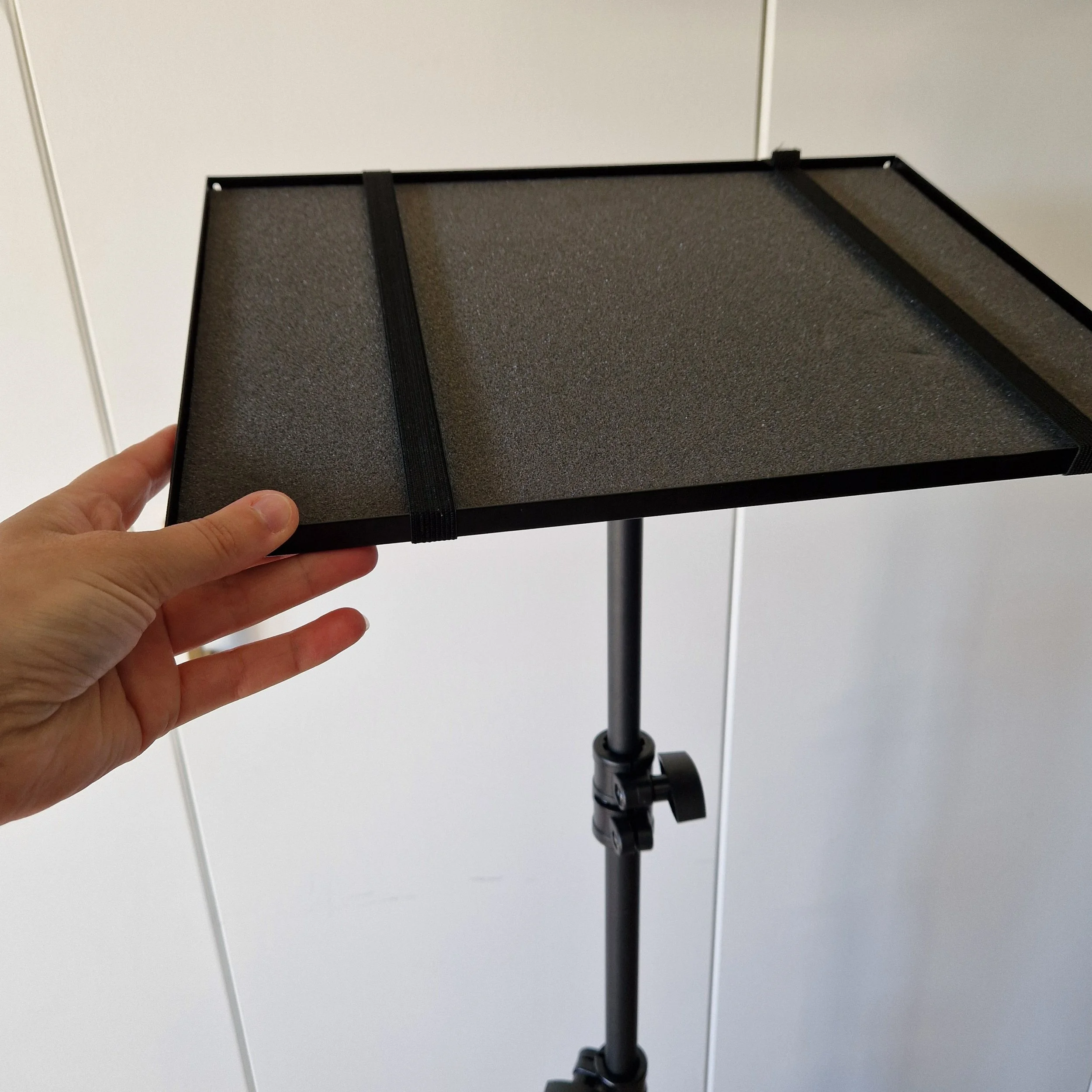
Extra tip, get yourself a portable, height-adjustable music stand to allow further flexibility for your projector if needed. Link Here.
Why it’s essential: A projector makes the process of transferring complex designs much easier, saving time and ensuring that the final mural is accurate and well-proportioned.
7. Mallet for Closing Paint Tins
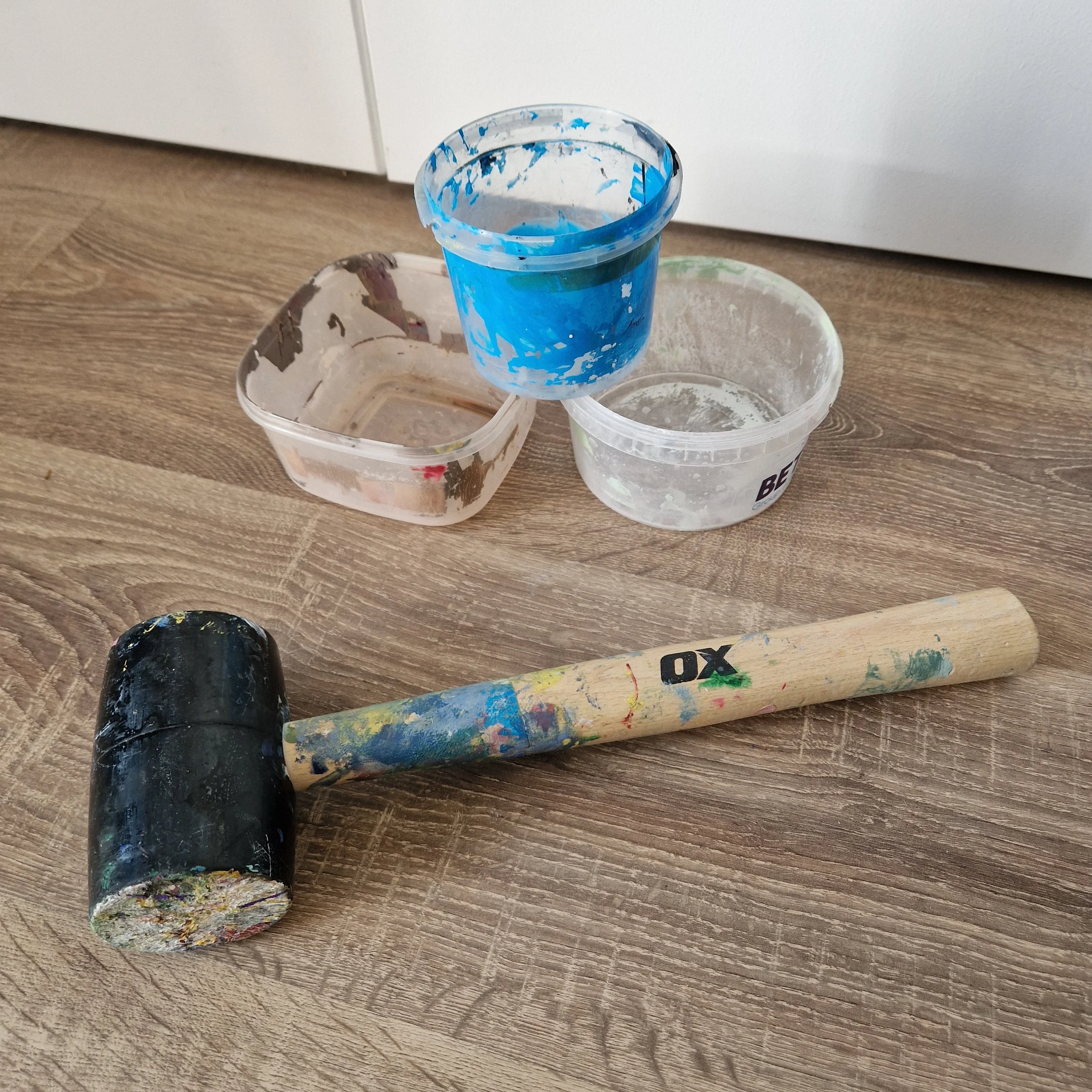
A rubber mallet is an unassuming but essential tool in my kit. If you don’t want a paint spill in the back of your car, get yourself one of these to securely close paint tins after each session!
Why it’s essential: It helps prevent a very expensive car valet bill!
8. Molotow One4All Acrylic Paint
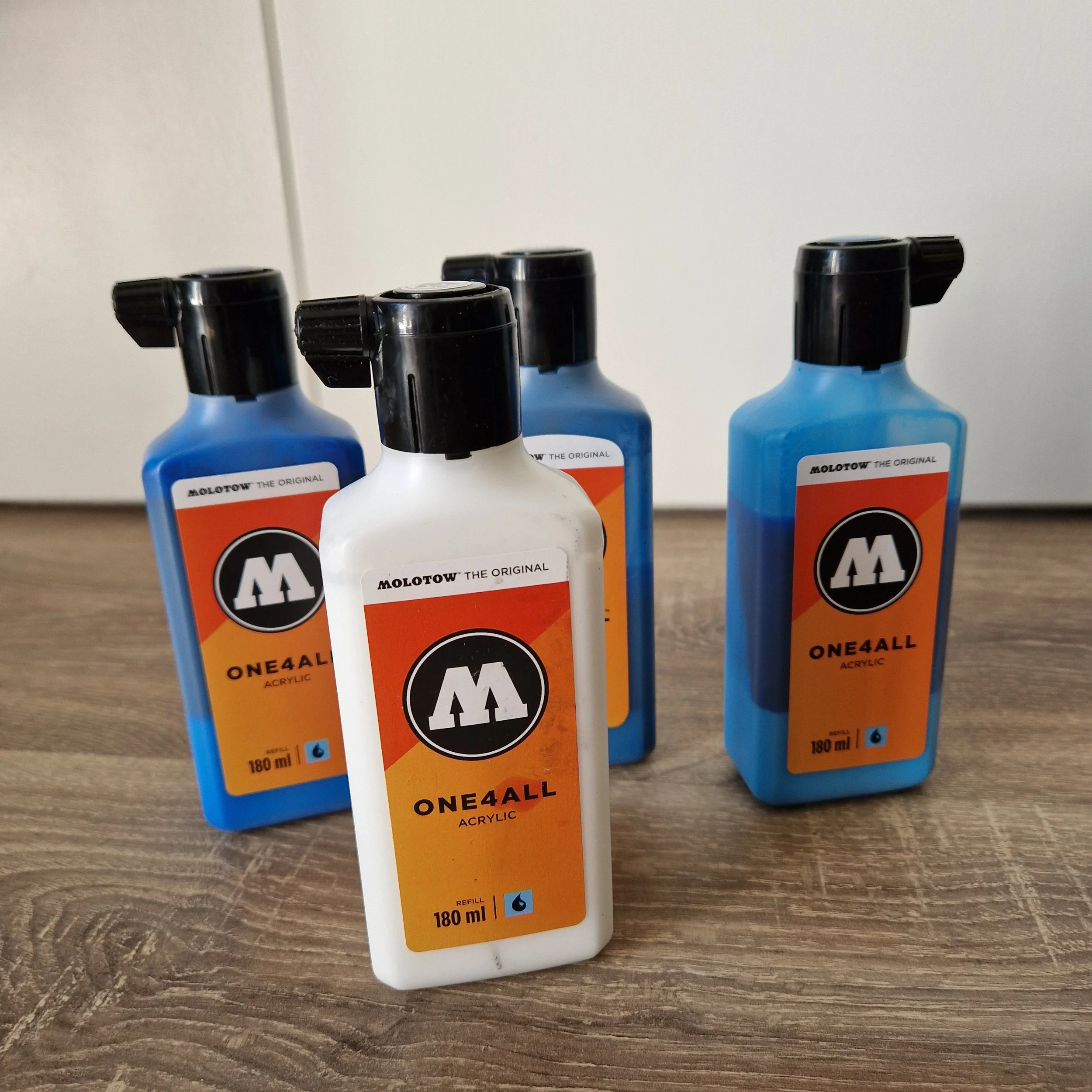
For some projects, I use Molotow acrylic paints, which are known for their excellent quality and vibrant pigmentation. Molotow One4All Acrylic refills are great for achieving bold colours that stand out and also stand the test of time. They are more of a liquid consistency than emulsion paint, and I use them for details, highlights, and any areas where I want to create a more intense colour.
Why it’s essential: Molotow acrylics are available in some awesome colours, and the opacity is excellent!
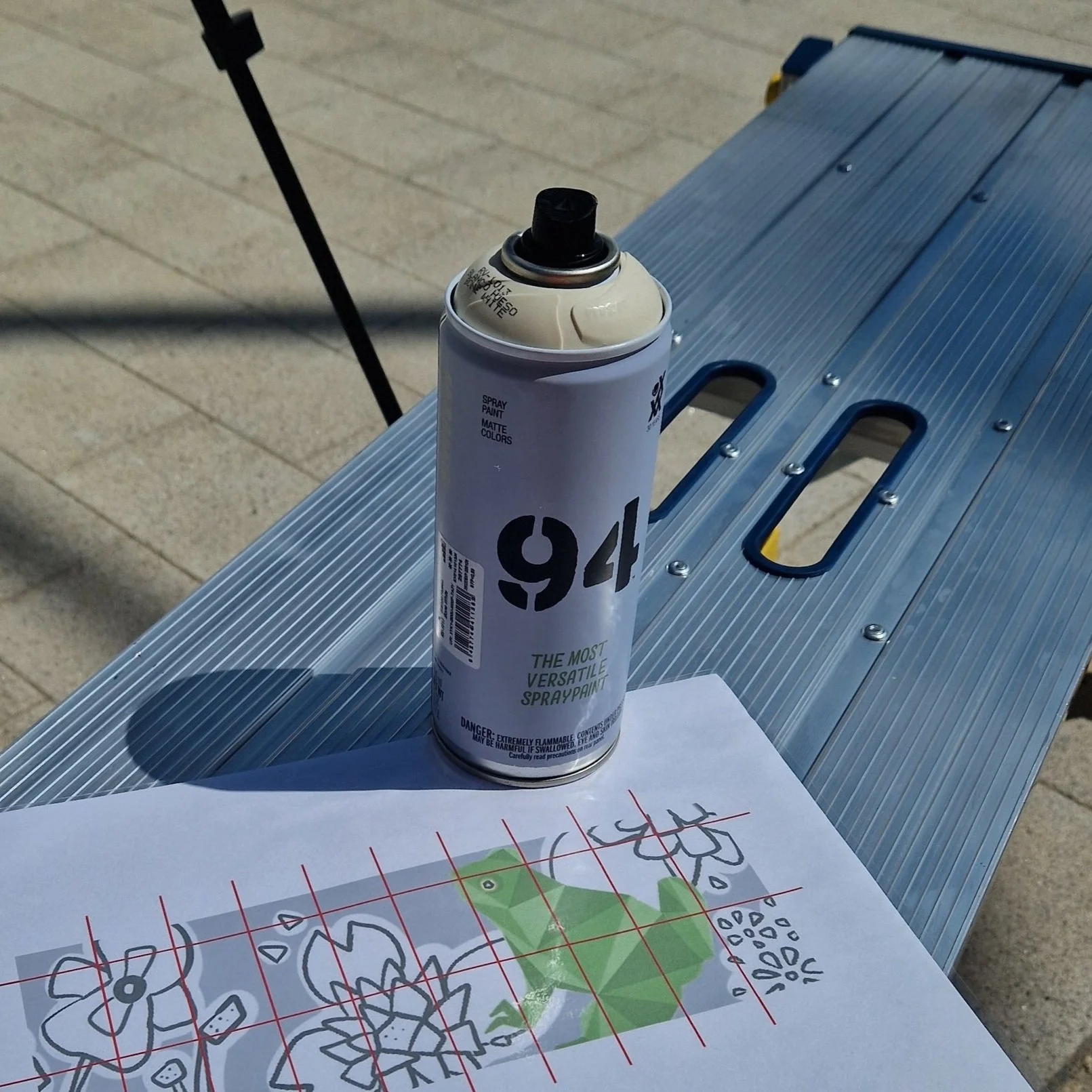
9. MTN 94 Brand Spray Cans
Sometimes, I use MTN 94 brand spray cans for certain parts of the mural. Spray paint is ideal for large, open areas or for creating gradients and background effects quickly. The MTN 94 brand is low pressure, which offers great control and an even spray, allowing me to cover large surfaces smoothly and efficiently. Oh, and has super fast drying time too! I’m still quite new to spray paint, but I’m finding this brand is a great one to start with!
Why it’s essential: Spray cans are essential for large murals and for achieving effects that would be difficult with traditional brushes, and help speed up your painting process.
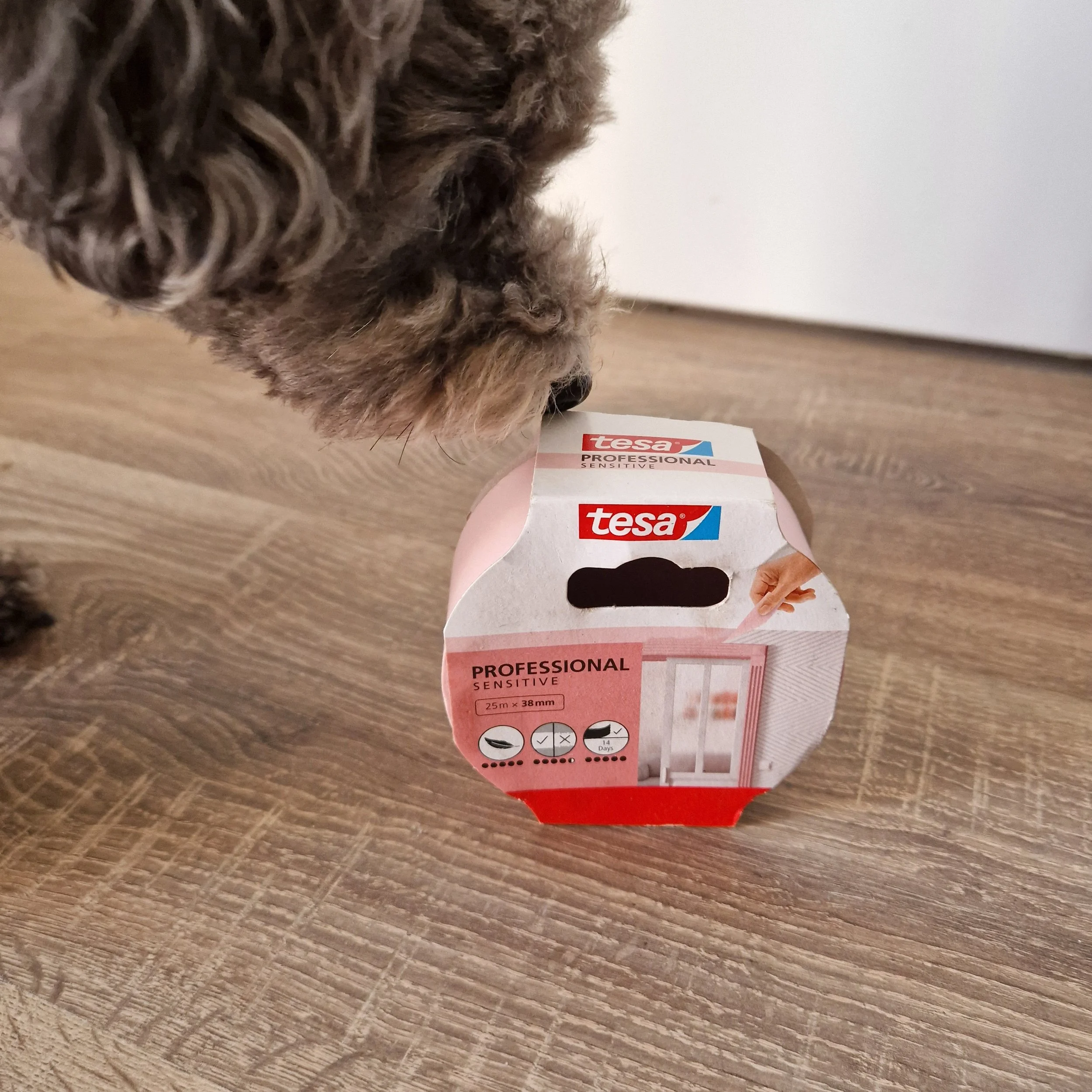
10. Tesa Masking Tape
For clean lines and precise edges, Norman (and I) recommend Tesa Professional Sensitive Pink Masking Tape. I know, people rave about Frog Tape, but this tape provides excellent adhesion while ensuring that paint doesn’t seep through, making it perfect for sharp lines and detailing. It comes in various versions depending on the level of adhesion you need. It’s also often cheaper than Frog Tape, and all my decorator friends swear by it.
Why it’s essential: It helps me achieve crisp, professional results, especially when I need to mask off certain areas of the mural for sharp lines and clear separation of colours. With no bleed!
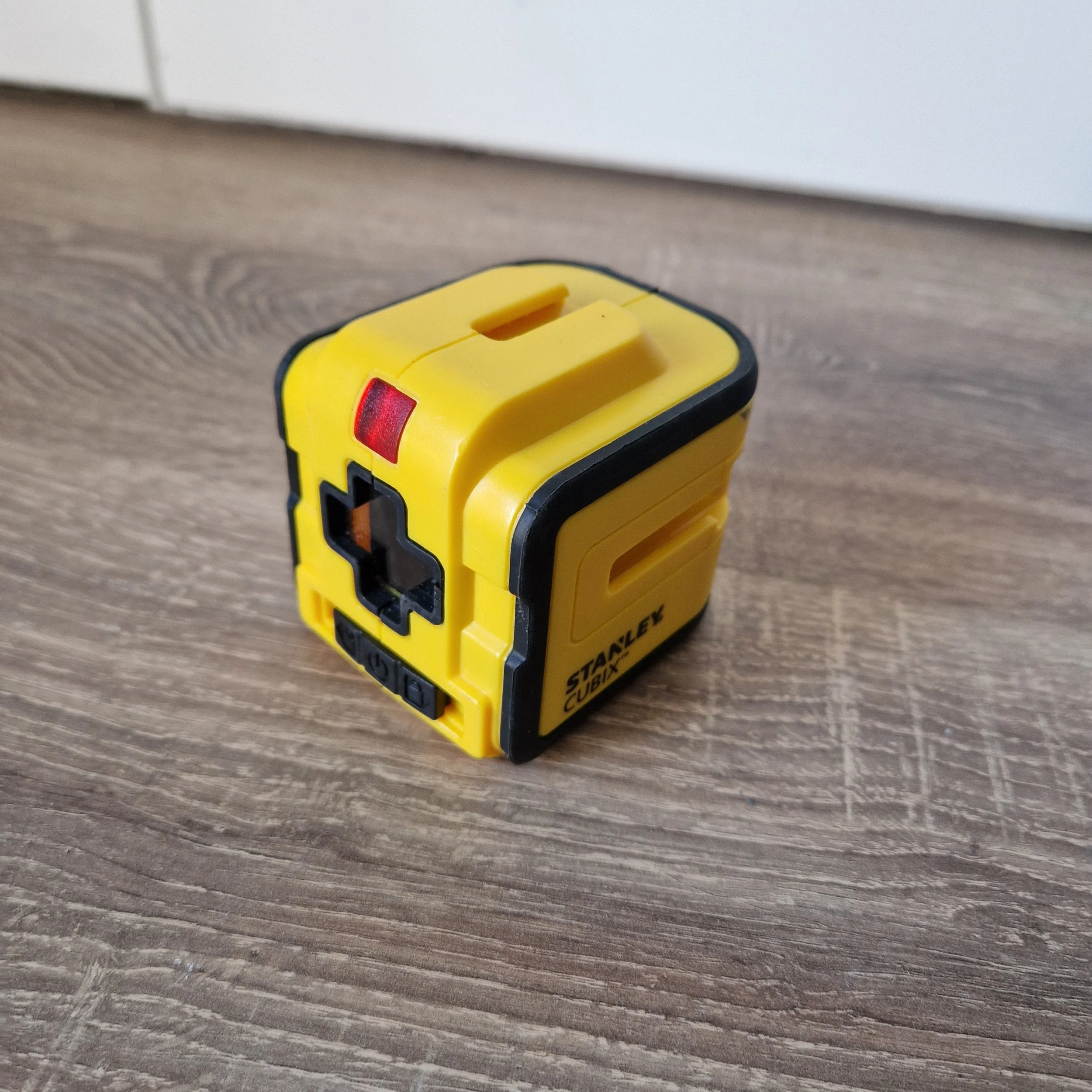
11. Stanley Cubix Cross Line Laser Level
Not necessarily an essential tool, but definitely super handy! To ensure that my murals are perfectly aligned and proportionate, I use the Stanley Cubix laser level. This tool is incredibly accurate and helps me create perfectly straight lines and level designs, even on large walls. It’s especially useful when transferring scaled designs onto the surface to maintain symmetry.
Why it’s essential: It guarantees that the mural is level and properly aligned, which is critical for achieving professional-quality results.
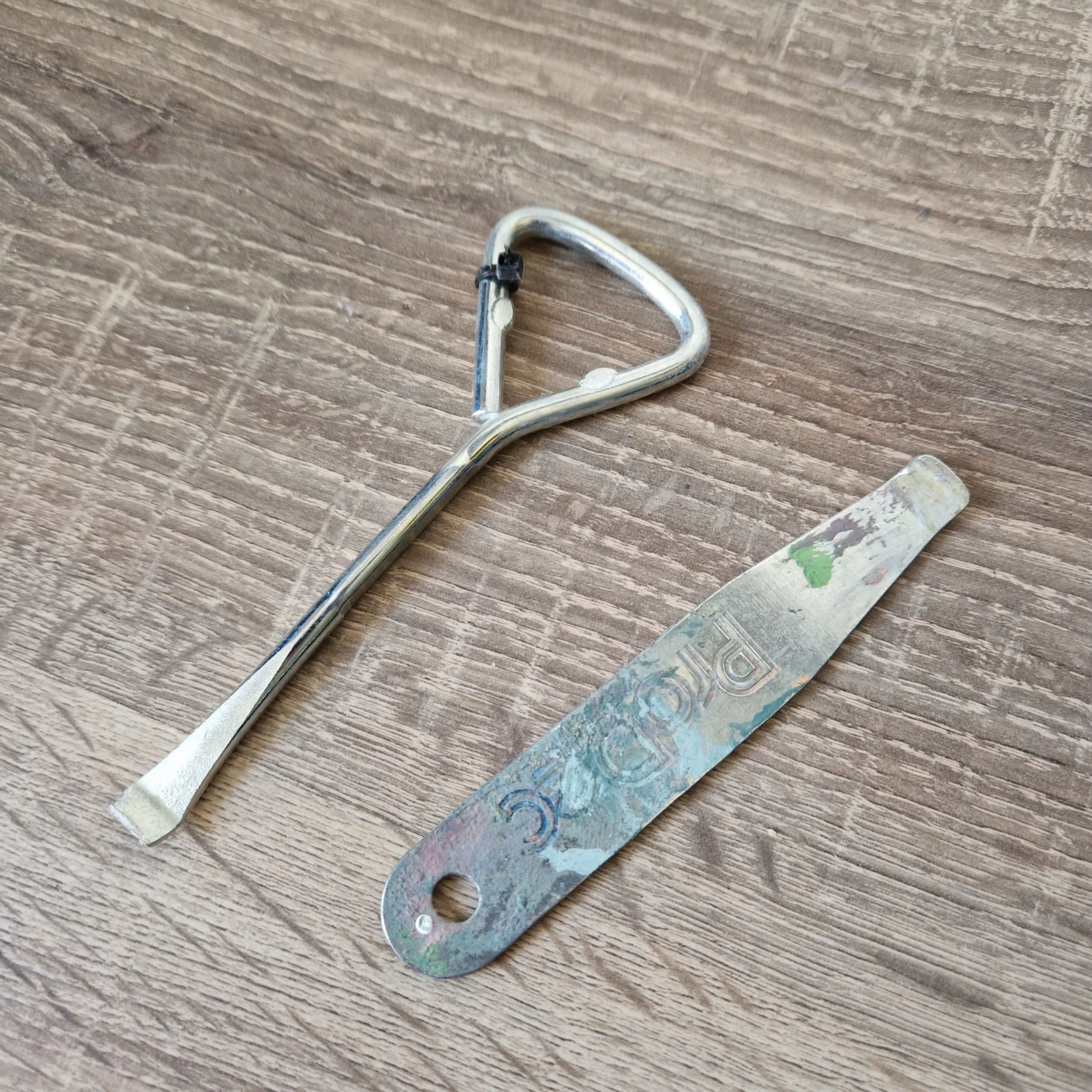
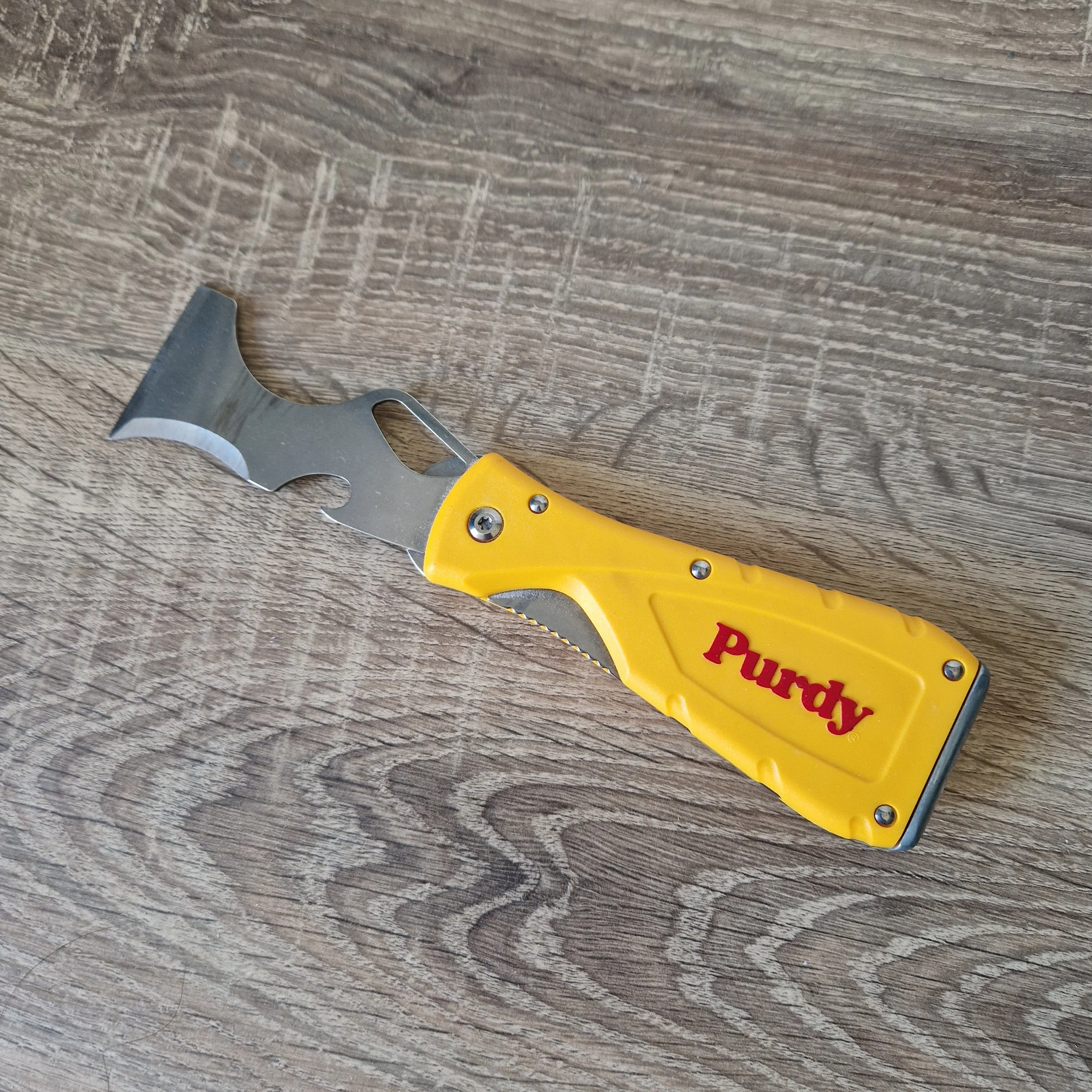
12. Metal Tin Openers
Opening paint tins efficiently and without mess is key, which is why I use metal tin openers. These tools make opening the paint cans quick and easy, without damaging the lids or my nails!
Why it’s essential: Metal tin openers help me save time and avoid making a mess when prepping for a painting session.
Final Thoughts
The tools and equipment I use as a mural artist are just as important as the creative process itself. Each tool—from the step platform to the fine art brushes—helps me work efficiently and ensure that every mural I create is of the highest quality. By having the right tools, I can focus on what I do best: turning blank walls into stunning works of art that inspire and captivate.
If you’re considering commissioning a mural or working with an artist, knowing the tools involved can help you appreciate the artistry and craftsmanship that go into creating these larger-than-life pieces!
See you soon
Kate & Norman x